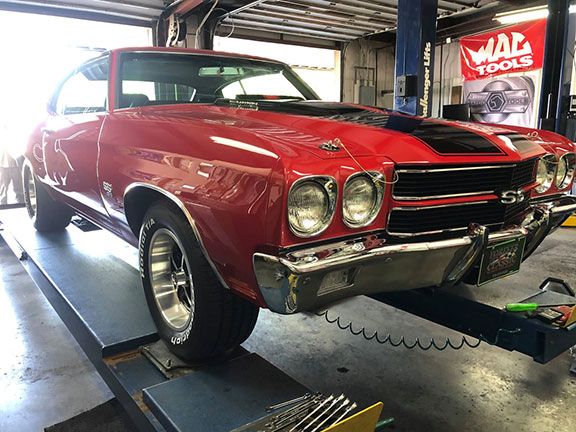
Introduction to Muscle Car Maintenance
Muscle cars are iconic vehicles known for their powerful engines and aggressive styling. Owning a muscle car is a thrill, but maintaining it is crucial to keep it running smoothly and looking its best. Muscle cars come in various makes, models, and years, and each has its unique maintenance requirements. Whether you’re working on a classic from the 1960s or a modern muscle car, understanding the specific care your vehicle needs is essential.
Basic Muscle Car Maintenance Tips
No matter the year or model, some basic maintenance tasks are necessary for all muscle cars. These tasks help keep your car running efficiently and prevent costly repairs.
- Oil changes: Regular oil changes are vital, especially if you drive your muscle car hard or use it for racing.
- Tire pressure checks: Keep your tires properly inflated to ensure a smooth ride and even wear.
- Brake inspections: High-powered engines need strong brakes. Regularly check brake pads, rotors, and brake fluid levels.
- Fluid checks: Always monitor other important fluids, like transmission fluid, coolant, and power steering fluid.
- Battery maintenance: Muscle cars need strong batteries to handle their powerful engines. Check the battery regularly for signs of corrosion.
These are just the basics. Let’s dive deeper into the specific maintenance needs for different years, types, and models of muscle cars.
Classic Muscle Car Maintenance (1960s and 1970s)
The 1960s and 1970s were the golden era for muscle cars. Cars like the Ford Mustang, Chevrolet Camaro, and Dodge Charger ruled the roads. However, these classics require special care due to their age.
- Engine tune-ups: Older muscle cars often have carbureted engines that need regular tuning and cleaning. This helps maintain fuel efficiency.
- Transmission care: Many classics use manual transmissions, which require regular clutch adjustments and gear oil changes.
- Suspension maintenance: Older suspension systems, like leaf springs, can wear out over time. Check for any sagging or damage.
- Cooling system checks: Older engines tend to run hot, especially during high-performance driving. Regularly check the radiator and coolant levels to prevent overheating.
- Exhaust system upkeep: Rust is common in older exhaust systems. Ensure your exhaust pipes are free from rust and holes to maintain performance.
Maintaining a classic muscle car is a labor of love. Parts can be harder to find, and regular attention to detail will keep your car in great condition.
Muscle Car Maintenance in the 1980s
Muscle cars from the 1980s, like the Chevrolet Monte Carlo SS and Pontiac Firebird, combined classic styling with modern technology. However, they still require special attention.
- Fuel injection system care: By the 1980s, many muscle cars used fuel injection instead of carburetors. Regularly clean and maintain the fuel injection system for smooth performance.
- Catalytic converter checks: 1980s muscle cars were subject to stricter emissions regulations. Ensure the catalytic converter is working properly to meet environmental standards.
- Electronic components: The 1980s introduced more electronics into muscle cars, including computerized ignition systems. Regularly check the wiring and replace any frayed or damaged parts.
- Brake system upgrades: Many 1980s muscle cars were upgraded with better braking systems. Make sure your brake fluid is clean and your brake pads are in good condition.
Though 1980s muscle cars are less common, keeping up with these maintenance tasks will ensure they continue to perform at their best.
Modern Muscle Car Maintenance (2000s and Beyond)
Modern muscle cars, like the Dodge Challenger and Ford Mustang, combine power with advanced technology. These vehicles are often easier to maintain than their classic counterparts, but they still need regular care.
- Computer diagnostics: Modern muscle cars have computerized engine control units (ECUs) that monitor performance. Regularly run diagnostic checks to catch any issues early.
- High-performance tire care: Modern muscle cars often use specialized tires for speed and grip. Regularly check the tire tread and pressure for safety.
- Advanced braking systems: Many newer muscle cars have anti-lock braking systems (ABS). Ensure the ABS is functioning properly to avoid skidding or losing control.
- Suspension maintenance: Modern muscle cars often have advanced suspension systems. Regularly inspect the shocks and struts for wear.
- Exhaust system checks: With high-performance exhaust systems, you’ll need to regularly check for leaks and ensure the system is working efficiently.
Modern muscle cars are easier to maintain, thanks to advancements in technology, but regular care is still crucial for performance and safety.
Engine-Specific Maintenance for Muscle Cars
The engine is the heart of any muscle car. Whether you have a small-block or a big-block engine, each requires specific maintenance.
- Small-block engines: These engines are popular in cars like the Chevrolet Camaro. Regularly change the oil and air filters to keep the engine running smoothly.
- Big-block engines: Known for their power, big-block engines need more attention. Keep an eye on engine temperature and ensure the cooling system is working properly.
- Hemi engines: Used in cars like the Dodge Charger, Hemi engines need regular spark plug replacements and fuel system checks.
- Turbocharged engines: Some modern muscle cars, like the Ford Mustang EcoBoost, use turbocharged engines. Regularly check for oil leaks and ensure the turbo is functioning properly.
Knowing your engine type is key to maintaining your muscle car’s performance. Regular maintenance will prevent major engine issues down the road.
Transmission Maintenance for Muscle Cars
Muscle cars often come with powerful transmissions designed to handle high-speed driving. However, they need regular care to keep them in top condition.
- Manual transmission care: Regularly check the clutch and adjust it as needed. Replace the gear oil according to your car’s maintenance schedule.
- Automatic transmission care: Muscle cars with automatic transmissions need fluid checks and filter changes. Make sure the fluid is clean to prevent transmission issues.
- Performance transmission upgrades: Many muscle car owners upgrade their transmissions for better performance. Regularly inspect upgraded parts for wear and tear.
Whether you have a manual or automatic transmission, regular checks are essential to avoid costly repairs.
Brake System Maintenance for Muscle Cars
Muscle cars need strong brakes to handle their powerful engines. Regular brake maintenance is key to safety and performance.
- Brake fluid checks: Ensure your brake fluid is clean and at the right level. Contaminated fluid can cause brake failure.
- Brake pad inspections: High-performance driving can wear out brake pads quickly. Replace them when they show signs of wear.
- Rotors and calipers: Check your brake rotors and calipers for damage or warping. Regular maintenance will prevent costly repairs.
A well-maintained brake system is essential for safe driving, especially in high-performance muscle cars.
Suspension and Steering Maintenance
Muscle cars often have customized suspension and steering systems designed for high-speed handling. Keeping these systems in top shape ensures a smooth and safe ride.
- Shocks and struts: Regularly inspect your shocks and struts for signs of wear. Replace them as needed for better handling.
- Steering system checks: Make sure your steering system is responsive. Check the power steering fluid and ensure there are no leaks.
- Alignment: A misaligned suspension can cause uneven tire wear and poor handling. Regularly check the alignment for better performance.
Maintaining the suspension and steering systems will improve your muscle car’s handling and overall driving experience.
Body and Paint Maintenance for Muscle Cars
The exterior of your muscle car is just as important as the engine. Keeping the body and paint in top condition ensures your car looks as good as it performs.
- Waxing and polishing: Regularly waxing your car helps protect the paint from fading and damage.
- Rust prevention: Muscle cars, especially older models, are prone to rust. Regularly inspect for rust and treat it before it spreads.
- Bodywork inspections: If your car has been customized with fiberglass or other materials, regularly inspect the body for cracks or damage.
A well-maintained exterior not only looks great but also protects your muscle car’s value.
Interior Maintenance for Muscle Cars
Don’t forget about the interior of your muscle car. Keeping the inside clean and functional improves your driving experience.
- Leather care: Use leather conditioner to keep leather seats from cracking and wearing out.
- Upholstery cleaning: Regularly clean fabric upholstery to prevent stains and damage.
- Dashboard care: Keep the dashboard free from dust and ensure all gauges are working properly.
A clean interior reflects the care you put into maintaining your muscle car.
Final Thoughts on Muscle Car Maintenance
Muscle car maintenance is essential to keeping your vehicle running smoothly and looking great. Whether you own a classic from the 1960s or a modern muscle car, regular maintenance will ensure your car performs at its best. By staying on top of oil changes, brake checks, engine tune-ups, and other routine tasks, you’ll enjoy the power and performance of your muscle car for years to come.



Subscribe
Enter your email below to receive updates.
 Hot Rods and Muscle Cars