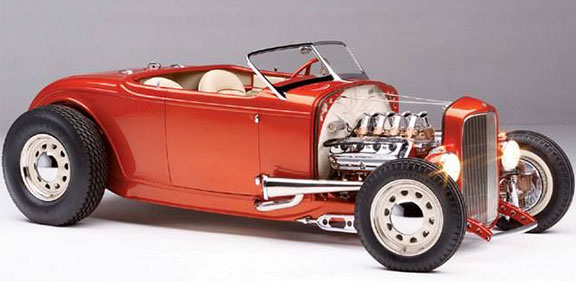
Introduction to Hot Rod Maintenance
Hot rods are not just cars; they are pieces of automotive history, often customized for style and power. Owning a hot rod means staying on top of its unique maintenance needs to keep it running smoothly. Hot rods come in various makes, models, and years, and each requires different levels of care. Whether you’re working on a 1950s Ford or a more modern muscle car, understanding the right maintenance for your hot rod is key to preserving its performance.
Basic Hot Rod Maintenance Tips
Every hot rod, regardless of its year or model, needs regular maintenance. Here are some of the most common tasks:
- Oil changes: Change the oil regularly, especially if you’re using your hot rod for racing or high-speed driving.
- Checking tire pressure: Ensure the tires are properly inflated to avoid uneven wear.
- Brake inspections: Check the brake pads and rotors for wear, as these cars often have powerful engines that need strong braking systems.
- Engine tune-ups: Older hot rods, in particular, need regular tune-ups to ensure the engine is working properly.
- Fluid checks: Don’t forget to check other fluids like coolant, transmission fluid, and brake fluid.
These are the basics, but as we dive deeper, we’ll look at more specific maintenance based on the era and make of the car.
Maintenance for 1930s and 1940s Hot Rods
The early years of hot rods, particularly those built in the 1930s and 1940s, were often Ford models like the Model T or Model A. These cars have unique needs compared to newer hot rods.
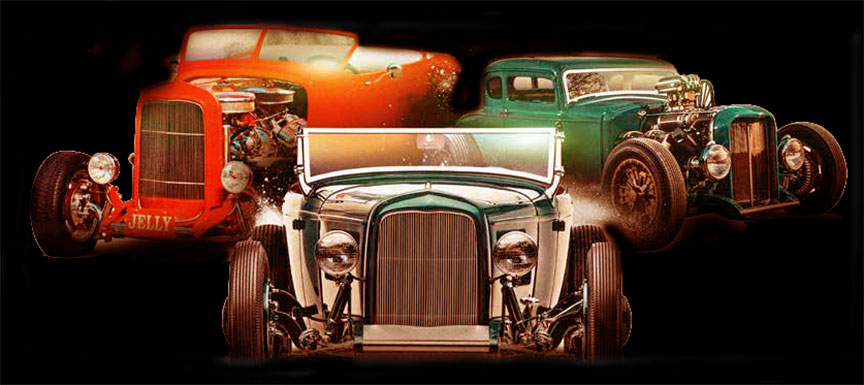
- Carburetor maintenance: Many of these cars run on carbureted engines, which need regular cleaning and tuning to maintain fuel efficiency.
- Manual transmission care: The manual transmissions of this era require frequent clutch adjustments and occasional gear oil changes.
- Suspension system checks: Early hot rods often have leaf spring suspensions that need to be checked for wear, especially in customized cars.
Owning a hot rod from this era means investing time into parts that may no longer be readily available. Regular care ensures the car runs as it should, and seeking out high-quality parts will keep your ride in top shape.
Maintaining 1950s Hot Rods
The 1950s saw a boom in hot rod culture, with many enthusiasts modifying cars like the Ford Thunderbird or Chevrolet Bel Air. These cars are known for their heavy frames and powerful V8 engines.
- V8 engine care: Engines from this time are powerful, but they need regular attention. Check for oil leaks and monitor engine temperature.
- Exhaust system upkeep: Ensure that the exhaust system is free from rust or holes, which can affect performance.
- Electrical system checks: Many 1950s hot rods still use their original wiring, which can wear out over time. Regularly check for fraying wires and replace them as needed.
These cars are often more complex to maintain than earlier models, but their power and style make them popular among hot rod enthusiasts.
Hot Rod Maintenance for 1960s Models
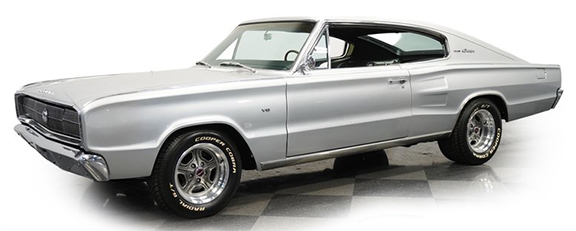
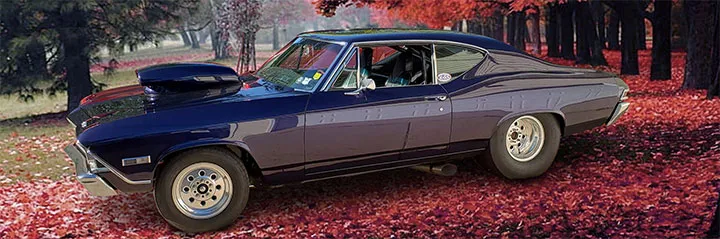
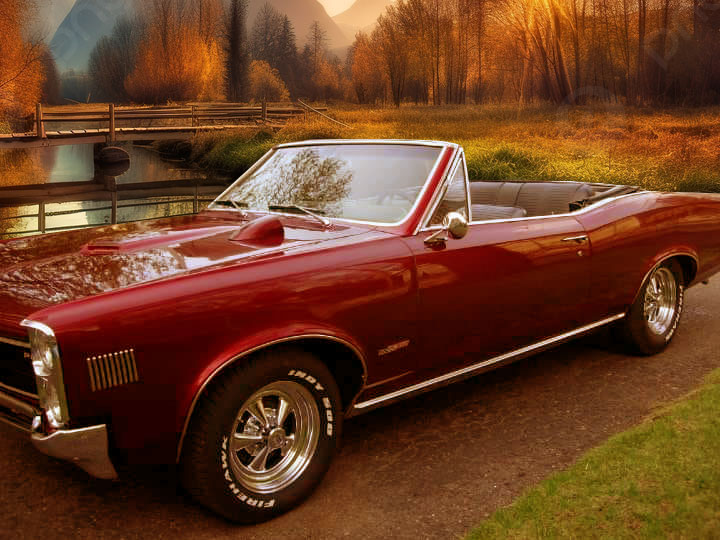
In the 1960s, muscle cars like the Ford Mustang and Chevrolet Camaro became popular in the hot rod scene. These cars are faster and often require more intensive care.
- Suspension upgrades: Many muscle cars are customized with upgraded suspensions to handle their increased power. Regularly inspect and replace suspension components.
- Cooling system care: These engines run hot, so keeping the radiator and cooling system in good condition is crucial.
- Brake system upgrades: Many 1960s hot rods have been upgraded to disc brakes. Check the brake fluid and pads regularly.
1960s hot rods often feature more customization than earlier models, meaning that owners should stay on top of any upgrades to ensure their car stays roadworthy.
Modern Hot Rods and Their Unique Maintenance Needs
Modern hot rods often blend classic designs with updated technology. Cars like the Dodge Challenger and Chevrolet Corvette fall into this category.
- Fuel injection system: Unlike older carbureted engines, many modern hot rods use fuel injection systems, which need regular software updates and cleanings.
- High-performance tires: Modern hot rods often use performance tires, which wear out faster than standard tires. Regularly check for wear and replace as needed.
- Advanced engine diagnostics: Modern hot rods have computer-controlled engines that require diagnostics to catch any issues early.
Modern hot rods are easier to maintain than older models, thanks to the advancements in technology. However, these cars still need regular care to ensure top performance.
Engine-Specific Maintenance for Hot Rods
No two hot rods are the same, especially when it comes to the engines. The type of engine you have will affect your maintenance routine.
- Small-block engines: Common in Chevrolet hot rods, these engines need frequent oil changes and air filter replacements.
- Big-block engines: These engines, used in many muscle cars, are known for their power but can suffer from overheating if not properly maintained.
- Flathead engines: Older hot rods with flathead V8 engines need more attention, particularly in terms of cooling and carburetor adjustments.
Understanding your engine type is key to keeping your hot rod running smoothly. Each engine has its own quirks, and regular maintenance is essential to avoid costly repairs.
Body and Paint Care for Hot Rods
The body and paint job of a hot rod are just as important as the engine. Keeping your hot rod looking sharp takes effort.
- Waxing and polishing: Regular waxing helps protect the paint job from fading or chipping.
- Rust prevention: Hot rods often have custom bodywork that is prone to rust. Regularly check for rust and treat it before it spreads.
- Bodywork inspections: If your hot rod has been customized with fiberglass or other materials, regularly inspect the body for cracks or damage.
A well-maintained hot rod isn’t just about performance; it’s about looks too. Keep your car clean and shiny to show off your hard work.
Maintaining the Interior of a Hot Rod
The interior of a hot rod is just as important as the exterior. Whether it’s an original interior or a custom job, it needs care.
- Leather care: If your hot rod has leather seats, use leather conditioner to prevent cracking.
- Upholstery cleaning: Regularly clean the upholstery to prevent stains and damage.
- Dashboard maintenance: Keep the dashboard clean and free from dust. If it’s a custom job, ensure that all gauges and dials work properly.
The interior of your hot rod reflects the care you put into your car. Keeping it clean and functional enhances the driving experience.
Final Thoughts on Hot Rod Maintenance
Maintaining a hot rod is a labor of love. From the engine to the bodywork, every part of your hot rod requires regular attention to keep it in top condition. Whether you’re driving a 1930s Ford or a modern muscle car, understanding the unique needs of your vehicle will ensure it performs at its best.
By staying on top of maintenance, you’ll enjoy the thrill of driving a powerful, well-maintained hot rod for years to come. Remember, regular care is key to preserving both the look and performance of your vehicle.



Subscribe
Enter your email below to receive updates.
 Hot Rods and Muscle Cars