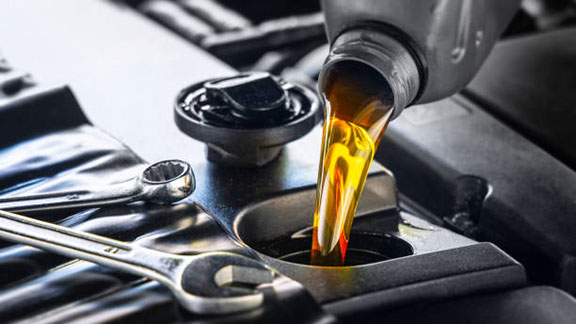
Introduction to Hot Rod Lubrication and Grease
Hot rods are high-performance, customized cars that require special attention to detail, especially when it comes to lubrication and grease. Proper lubrication is essential to keep a hot rod’s engine running smoothly, reducing friction, and preventing costly repairs. Different hot rods, whether from the 1930s, 1950s, or modern times, have unique lubrication needs. Maintaining the right oil and grease is crucial for preserving the performance and longevity of these powerful machines.
Why Lubrication and Grease Matter for Hot Rods
Lubrication plays a critical role in keeping your hot rod’s engine, transmission, and suspension parts in optimal working condition. Without proper lubrication:
- Friction increases, leading to wear and tear on engine components.
- Engines overheat due to a lack of cooling provided by the oil.
- Parts seize up without the proper grease on bearings, bushings, and joints.
Maintaining the right lubrication for your hot rod ensures it runs efficiently, prevents breakdowns, and keeps it road-ready for those weekend cruises or trips to the race track.
Lubrication for Classic Hot Rods (1930s-1950s)
Classic hot rods from the 1930s to 1950s, like the iconic Ford Model T or Chevrolet Bel Air, often have older, carbureted engines that require special attention when it comes to lubrication. These cars typically feature flat-tappet camshafts, which are prone to wear if not properly lubricated.
- High-zinc motor oils: These engines need oils rich in zinc and phosphorus. These additives help reduce wear on flat-tappet camshafts and lifters.
- Viscosity: Classic engines often need higher viscosity oils to handle the heat and pressure. Thicker oils, like 10W-40, are a common choice.
- Oil change frequency: Because older engines don’t have the same sealing technologies as modern ones, frequent oil changes are necessary. Old oil can break down faster due to contaminants.
Grease is also essential for keeping the chassis components of these older hot rods in working order. Suspension parts, steering linkages, and wheel bearings need to be regularly greased to prevent wear and tear.
Lubrication for 1960s and 1970s Hot Rods
Hot rods from the 1960s and 1970s, such as the Ford Mustang or Chevrolet Camaro, ushered in the era of powerful V8 engines. These engines still require plenty of lubrication but can handle a wider variety of oils compared to their predecessors.
- Synthetic oils: By this time, synthetic motor oils became a viable option. These oils offer better heat resistance and breakdown less often than conventional oils.
- Protecting high-performance engines: V8 engines produce significant heat, especially when driven aggressively. Oils like 5W-30 or 10W-30 are often recommended to handle high temperatures.
- Oil filters: Regular oil filter changes are vital to keeping contaminants out of the engine. This prevents sludge buildup, which can cause internal damage.
Grease plays a vital role in maintaining the car’s suspension, steering, and drivetrain. Greasing these components helps improve the handling and performance of the vehicle while reducing wear on high-stress parts.
Modern Hot Rod Lubrication (1980s and Beyond)
Modern hot rods have more advanced engines, often with fuel injection systems and advanced materials that handle stress better than older models. Cars like the Dodge Challenger and Ford Mustang from the 1980s and beyond are equipped with high-performance components that require modern lubrication methods.
- Synthetic oils for advanced engines: Modern engines benefit from fully synthetic motor oils. These oils resist breaking down under high temperatures and provide excellent protection in extreme conditions.
- Multi-viscosity oils: Oils like 5W-20 and 5W-30 are common choices for modern hot rods. These oils flow easily when cold but thicken at high temperatures to provide better protection.
- Oil additives: Some modern hot rods may benefit from oil additives that improve the oil’s lubricating properties, especially in high-performance engines.
Modern suspension and steering systems also benefit from synthetic grease. Greasing components like ball joints, tie rods, and wheel bearings is essential for maintaining smooth steering and handling.
Key Areas That Require Lubrication in Hot Rods
Hot rods have multiple components that need proper lubrication to run efficiently. Here are some key areas that require attention:
- Engine: The most critical part of a hot rod, the engine needs the right type of oil to handle the heat and pressure.
- Transmission: Both manual and automatic transmissions need regular fluid changes to ensure smooth gear shifts and prevent overheating.
- Differential: The rear differential, especially in high-performance hot rods, needs special lubricants to handle the stress of turning and accelerating.
- Suspension: Greasing the suspension components prevents wear and helps the car handle better on the road.
- Steering: Regular greasing of the steering system ensures smooth, responsive handling, especially during high-speed driving.
Each of these areas requires different types of oil or grease, depending on the car’s design, make, and model.
Choosing the Right Oil for Your Hot Rod
Choosing the right oil for your hot rod depends on several factors, including the engine type, the car’s age, and how you use it.
- For classic hot rods: Use high-zinc motor oils to protect flat-tappet camshafts. Oils like 10W-40 or 20W-50 are often recommended for older engines.
- For high-performance hot rods: Modern hot rods with V8 engines benefit from synthetic oils that provide better wear protection and resist heat. Look for oils like 5W-30 or 10W-30 for everyday performance.
- For racing hot rods: Hot rods used for racing require racing-grade oils that can handle extreme conditions. Synthetic racing oils offer superior protection for high-speed driving and intense performance.
Always follow your engine manufacturer’s guidelines and adjust based on the car’s condition and usage.
The Role of AMSOIL Products in Hot Rod Lubrication
AMSOIL offers a wide variety of motor oils and greases that can meet the demands of hot rod engines, from classics to modern powerhouses. While the focus is on the cars, AMSOIL provides a reliable range of products that ensure optimal performance.
- AMSOIL Z-ROD Synthetic Motor Oil: Perfect for classic hot rods, this oil contains high levels of zinc and phosphorus, protecting older engines from wear.
- AMSOIL Signature Series Synthetic Oil: For modern hot rods, this oil offers superior wear protection and extended drain intervals, ideal for high-performance driving.
- AMSOIL DOMINATOR Synthetic Racing Oil: Designed for hot rods used in racing, this oil provides maximum horsepower and heat resistance.
AMSOIL greases are also highly recommended for chassis components, steering systems, and suspension parts, ensuring long-lasting lubrication under tough conditions.
Grease and Lubrication Maintenance Tips for Hot Rods
Maintaining proper lubrication in your hot rod is about more than just changing the oil. Here are some key tips:
- Regular oil changes: Stick to a strict oil change schedule, especially for classic hot rods, which may require more frequent changes.
- Grease all moving parts: Components like ball joints, tie rods, and wheel bearings need to be greased regularly to prevent wear and improve handling.
- Check oil levels: Always check oil levels before long drives or races to ensure there is enough to protect your engine.
- Use quality filters: An oil filter helps remove contaminants from the oil. Always use high-quality filters that match your engine’s specifications.
Staying on top of these tasks ensures that your hot rod continues to perform at its best for years to come.
The Impact of Lubrication on Hot Rod Performance
Proper lubrication directly impacts how well your hot rod performs. Without enough oil or grease, parts can wear out quickly, leading to performance issues like overheating, reduced power, and even engine failure.
- Improved fuel efficiency: A well-lubricated engine runs more efficiently, which can lead to better fuel economy.
- Reduced engine wear: Lubrication prevents metal parts from grinding against each other, reducing wear and extending engine life.
- Better handling: Greasing suspension and steering parts ensures your hot rod handles smoothly and responds quickly to steering inputs.
- Enhanced reliability: Regular lubrication keeps all parts of your hot rod working together, reducing the likelihood of breakdowns.
Final Thoughts on Hot Rod Lubrication and Grease
Maintaining your hot rod’s lubrication system is one of the most important things you can do to ensure it stays in top condition. Whether you own a classic car from the 1930s or a modern hot rod, choosing the right oil and grease is essential to preserving its performance and reliability. While AMSOIL products offer top-quality solutions, focusing on your car’s unique needs and maintaining regular lubrication schedules is key.
By keeping your hot rod properly lubricated, you can enjoy smooth rides, better performance, and longer-lasting engine life, ensuring that your car remains a high-performance machine for years to come.


Subscribe
Enter your email below to receive updates.
 Hot Rods and Muscle Cars