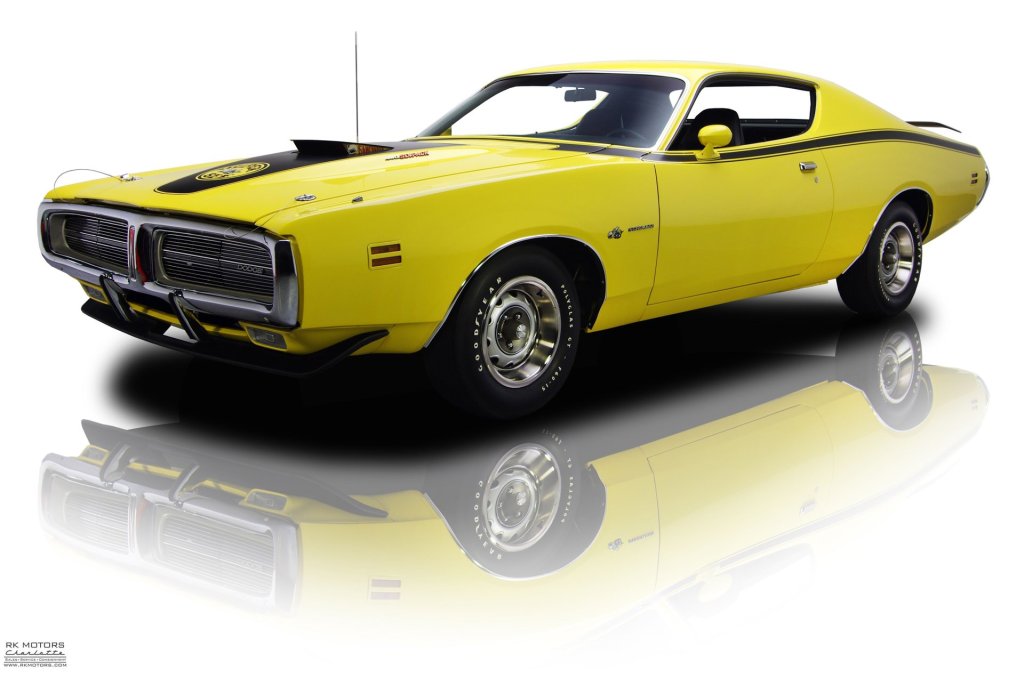
1971 Dodge Challenger Super Bee
The Dodge Challenger Super Bee: A Muscle Car Icon
The Dodge Challenger Super Bee is a classic American muscle car. Known for its power and bold design, the Super Bee has gained legendary status among car enthusiasts. Let’s dive into what makes this vehicle so special.


The History of the Dodge Challenger Super Bee
The Super Bee started as a part of Dodge’s line of muscle cars. First launched in 1968, it was an affordable option for drivers who craved power without breaking the bank. Originally based on the Dodge Coronet, the Super Bee joined the Challenger lineup in 1971.
Why Did Dodge Create the Super Bee?
Dodge wanted to offer a strong, powerful car at a price lower than other muscle cars. The Super Bee was their answer. The car was marketed as a “performance car for the everyday driver.” This made it an instant favorite.
The 1971 Challenger Super Bee
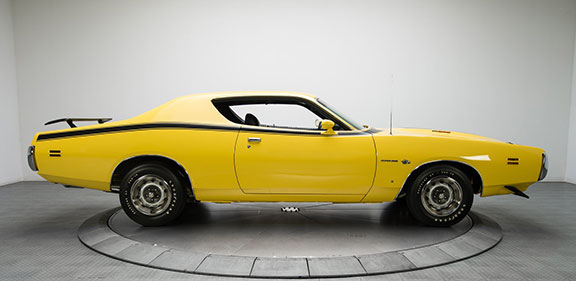
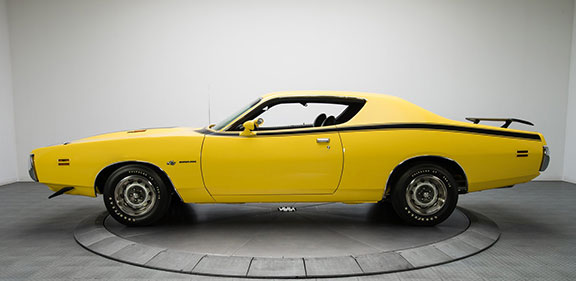
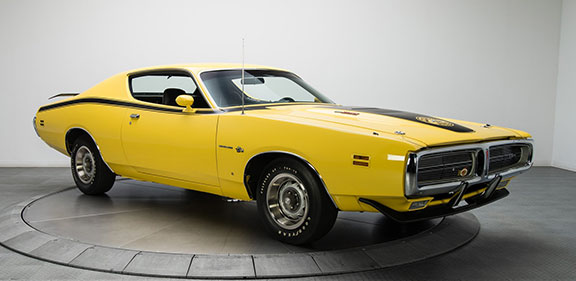
In 1971, the Challenger Super Bee hit the market. Unlike earlier models, this version had a more modern, sleek design. It was based on the Dodge Challenger instead of the Coronet.
This change gave the Super Bee a more aggressive look.
Iconic Features of the Super Bee
The Challenger Super Bee came with several standout features. Let’s explore some of these.
Engine Power and Performance
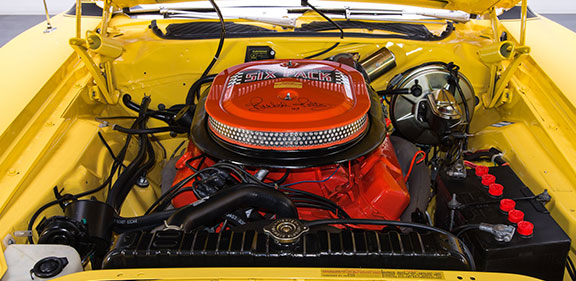
The Super Bee was known for its powerful engines. Drivers could choose from a 383-cubic inch V8 engine or the mighty 440 Six Pack engine.
These engines gave the car incredible speed and acceleration.
Performance at Its Best

With a top speed of around 140 mph, the Challenger Super Bee was built for performance.
The car could go from 0 to 60 mph in just over 6 seconds, making it one of the fastest muscle cars of its time.
Eye-Catching Design
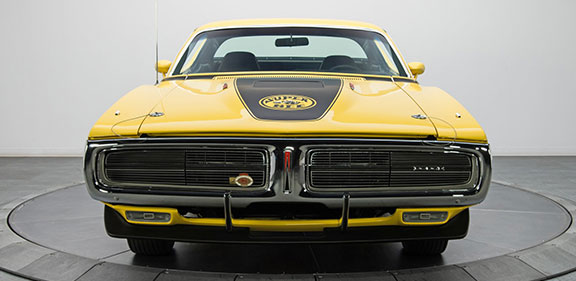
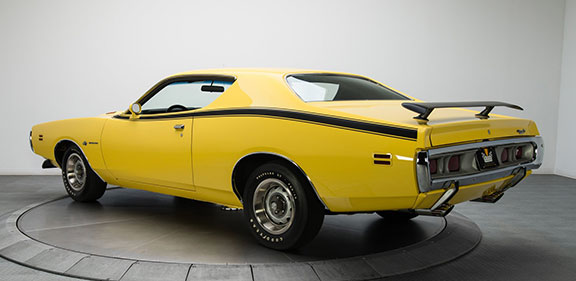
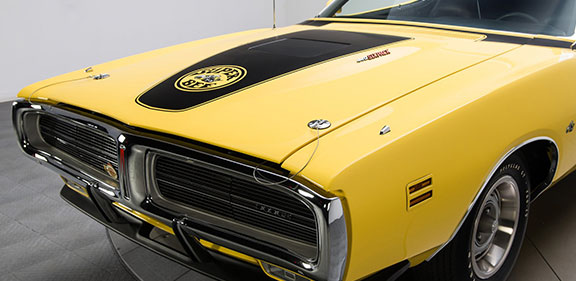
The Super Bee wasn’t just about performance—it looked fantastic too. It had bold colors, racing stripes, and the famous Super Bee logo on the car’s rear.
This design made the car stand out on the road.
Unique Super Bee Logo
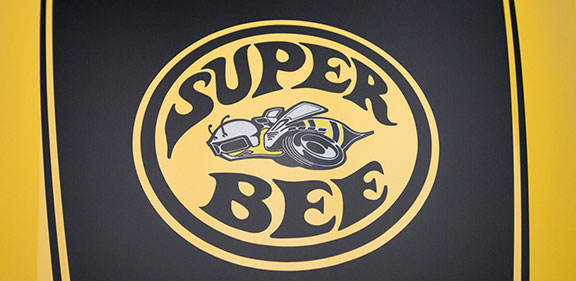
One of the most recognizable features of the Challenger Super Bee is its logo. The buzzing bee with wheels became an instant icon.
The logo can still be seen on Super Bee models today.
The Legacy of the Dodge Challenger Super Bee
The Super Bee’s legacy continues to live on. It represents the golden age of American muscle cars. Though production ended in the early 1970s, Dodge revived the Super Bee name in the 2000s.
Modern Versions of the Super Bee
In 2007, Dodge brought back the Super Bee name with the Charger SRT-8. This modern version kept the spirit of the original, combining muscle car power with modern technology.
Super Bee in the 21st Century
The new Super Bee models still pack a punch. Powered by a 6.4-liter HEMI V8 engine, they can produce up to 485 horsepower. The Super Bee remains a favorite among muscle car fans.
Why Car Enthusiasts Love the Challenger Super Bee
The Challenger Super Bee has always been a beloved model. There are many reasons why car enthusiasts still love it today.
Powerful Engines
From the original 383 V8 to today’s 6.4-liter HEMI, the Super Bee is known for its power. Car lovers appreciate the raw performance the Super Bee offers.
Collectible Status
The original Super Bee models have become highly collectible. Their rarity and timeless design make them valuable to collectors.
A Piece of Muscle Car History
The Super Bee represents a time when muscle cars ruled the roads. Owning a Challenger Super Bee is like owning a piece of automotive history.
Conclusion: The Dodge Challenger Super Bee’s Lasting Impact
The Dodge Challenger Super Bee is a symbol of American muscle car greatness. With its powerful engine, bold design, and iconic logo, the Super Bee is a car that continues to capture the hearts of car enthusiasts. Whether you’re looking at the classic 1971 model or the modern-day version, the Super Bee remains a true automotive icon.
 Hot Rods and Muscle Cars